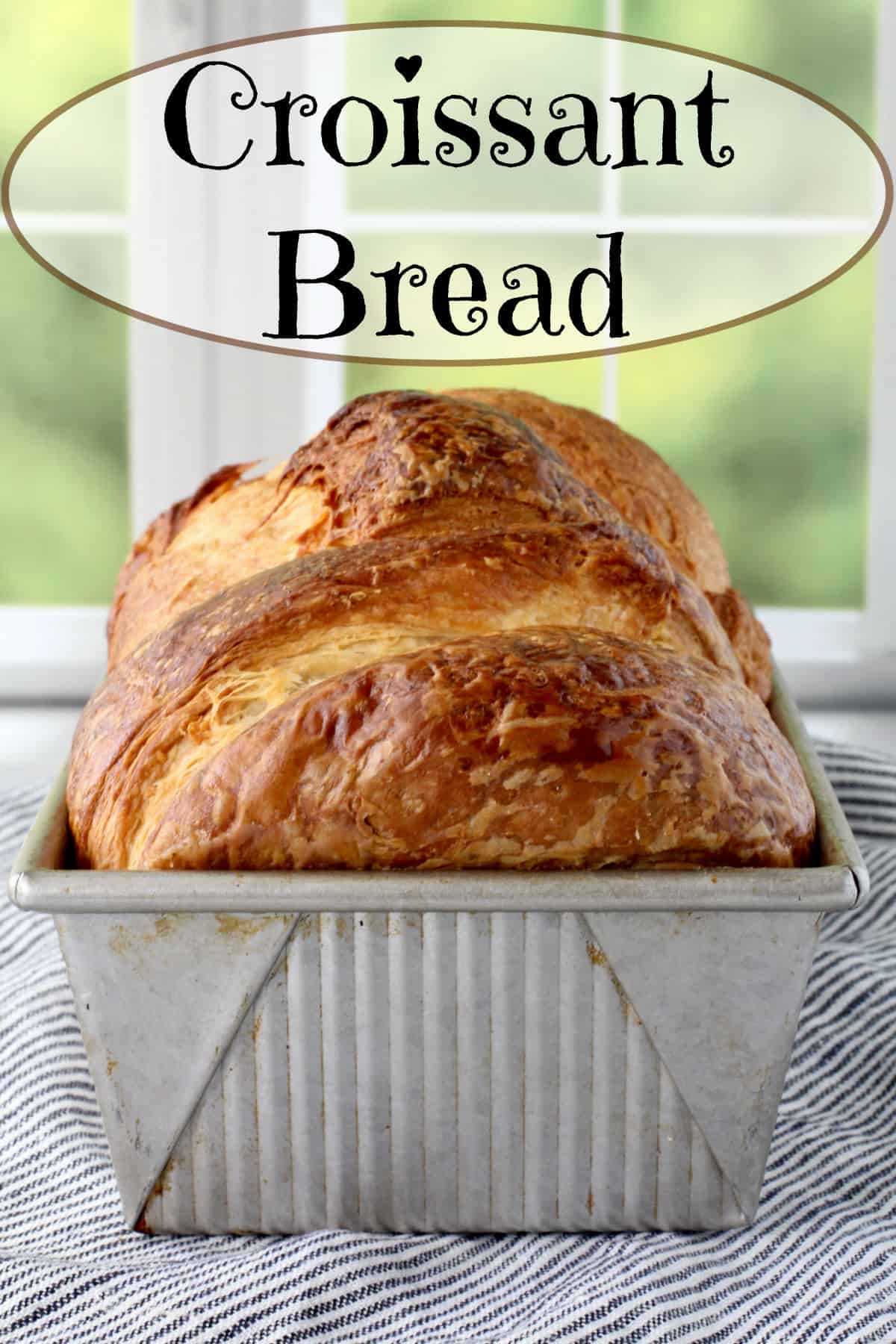
This crusty artisan bread, with a wonderful chewy crust and airy and flavorful crumb, takes just a few hours to make. Start your loaf in the mid-morning and you will have an amazing loaf for dinner.

This is the bread that I make when I need a last minute loaf of bread for a hostess gift or for when I've been asked to bring bread to a potluck (once people know you bake bread, this happens a lot).
This bread is pretty much no-knead, and all you need is bread flour plus your favorite whole grain flour such as whole wheat, white whole wheat, or in this case whole rye. You really can't tell that it's in there, other than it adds a bit of "bready" flavor as the dough ferments.
It's similar to my sourdough artisan breakfast bread, but it is leavened with instant yeast. You don't need a sourdough starter.

If you love making artisan-style bread, you know that the moment that you slice it open you practically hold your breath before seeing the crumb. Is it airy? Did I get holes? Did it turn out?
With this bread, I don't have to worry. It's pretty much foolproof, unless of course I don't pay any attention to the dough or timing. Having a foolproof recipe is especially helpful when you are gifting a loaf and don't get to peek inside before handing it over!
There is no reason why you can't produce a loaf like this one. Yes, you will need a couple of tools, but, rest assured, you will be really happy with your results.

Ingredients You Will Need:
Flours - You will need bread flour and a small percentage whole grain flour. In this loaf I used whole rye flour. I have also used whole wheat and even barley flour.
Water - I use lukewarm bottled water.
Salt - You can use table salt or kosher salt. If you substitute different types of salt, be sure to use a small scale to weigh it. Based on the size of the grains, salt will vary greatly by volume.
Yeast - I use instant yeast. You can also use active dry yeast without changing the recipe. I buy yeast in bulk and keep it in the freezer.
Rice Flour - For dusting.

Tools You will Need:
Dough Rising Bucket - This is not absolutely necessary but it really helps to tell when the dough has actually doubled. The containers by Cambro are great and are also wonderful for storage. You can also use an oiled bowl if you don't have one of these.
Bread Proofing Basket - Search for "long banneton bread proofing basket." They can come in both wood and plastic. I use a molded one but any of the varieties are fine. In fact, for round loaves, I often use a towel lined plastic or metal bowl.
Long Covered Baker - I use the Emile Henry long baker. It's super sturdy and can easily handle being heated in a hot oven while being empty. I sometimes also use an unglazed stone baker, which is just as good, but a little more delicate, especially the handle.
Mini Kitchen Scale - I use this for measuring salt because the weight of salt can vary a lot, especially if you use sea salt, kosher salt, or flaked salt. If you stick with table salt, they you can measure by volume.
Standard Kitchen Scale - Ever since I got one, I don't measure flour without one... and cocoa powder, powdered sugar, or any ingredient that can vary if you try to measure by volume. I am a total convert. I've used the Oxo forever, but I just noticed that KitchenAid came out with one that has two scales in one, mini and regular. I may have to indulge.
To convert weight to volume or vice versa, the King Arthur Baking site has a great tool.

To Make This Bread:
First, combine the flours and the water in a dough rising bucket with your hand until all of the flour is incorporated. Cover with plastic wrap, and let rest for 20 minutes.
Next, sprinkle the top of the dough with the salt and the yeast, and with a wet hand, fold the dough over, and then pinch the dough with your fingers to incorporate and dissolve the salt and the yeast. Cover the bowl with a towel or plastic wrap, and let rest for 20 minutes.
After that, fold the dough by picking up each "side," stretching it, and folding it over the middle. This is called the "stretch and fold" method. Cover again. Repeat two more times, and then let the dough rest until doubled.
When the dough is doubled, scrape it out onto a floured surface, and shape it into a ball by gently folding the dough over itself from all "sides." Flip the shaped dough over so that the seam side is on the counter.

In the meantime, dust a long banneton with a 50-50 mixture of wheat and rice flour.
Next, place the bench scraper under the shaped loaf, and scoot it around from all four sides to tighten up and elongate the loaf a bit. Place the shaped dough into the banneton, seam side up. Tighten the seam by "knitting" the sides together.
Cover the dough with oiled plastic wrap or a clean towel, and let rise until puffy, about an hour.
Heat the oven to 475 degrees F with your long baker on the middle rack.
Finally, when the dough has risen, turn it out onto a parchment lined countertop and lift it into the hot long baker, parchment and all, or gently lift it directly into the baker. Cover with the lid and bake for 30 minutes, remove the lid or pan, and bake for 15 to 20 minutes more, until the bread is a deep brown and reaches an internal temperature of about 205 degrees F. Cool completely on a wire rack.

Homemade Bread Recipes
- Artisan Rosemary Bread from That Recipe
- Chocolate Chip Cranberry Bread from Hezzi-D's Recipe Box
- Easiest Crusty Artisan Bread from Karen's Kitchen Stories
- Loaded Potato Bread from A Kitchen Hoor's Adventures
- Sourdough Discard Garlic Pull Apart Bread from Jen Around the World
- Two Ingredient Slow Cooker Bread from Creative Cynchronicity

We share Recipes From Our Dinner Table! Join our group and share your recipes, too! While you're at it, join our Pinterest board, too!

Easiest Crusty Artisan Bread

This crusty artisan bread, with a wonderful chewy crust and airy and flavorful crumb, takes just a few hours to make.
Ingredients
- 450 grams bread flour
- 50 grams whole rye flour
- 380 grams 90 to 95 degrees F water.
- 10.5 grams salt
- 4 grams instant yeast
- Rice flour mixed with bread flour for dusting
Instructions
- Combine the flours and the water in a large bowl or dough rising bucket. Mix with your hand until all of the flour is incorporated. Cover with plastic wrap, and let rest for 20 minutes.
- Sprinkle the top of the dough with the salt and the yeast. With a wet hand, fold the dough over the salt and yeast, and then pinch the dough with your fingers so that the yeast and salt dissolves. Continue to wet your mixing hand and fold the dough over itself, and continue to pinch and fold. Cover the bowl with a towel or plastic wrap, and let rest for 20 minutes.
- Fold the dough by picking up each "side," stretching it, and folding it over the middle. Cover again. Fold the dough again after 20 minutes. Cover the dough with plastic wrap, and let rise until tripled, about 1 1/2 to 2 hours.
- Gently scrape the dough out onto a floured surface, and shape it into a batard by gently folding the dough over itself from all "sides." Flip the shaped dough over so that the seam side is on the counter. Using a bench scraper, draw the loaf toward you, and then away from you, to tighten up the top of the dough. Cover with a towel and let rest for 10 minutes. In the meantime, dust a 13 or 14 inch long banneton or towel lined long banneton with a 50-50 mixture of wheat and rice flour.
- After 10 minutes, place the bench scraper under the shaped loaf, and tighten up the loaf a bit by sliding it over the work surface. Place the shaped dough into the banneton, seam side up. "Knit" together the seam so that it doesn't open during the rise.
- Cover the dough with oiled plastic wrap or a clean towel, and let rise until puffy, about one to two hours. Heat the oven to 475 degrees F with a long baker with a lid on the middle rack.
- When the dough has risen, turn it out onto parchment lined plate. Using the parchment, lift it into the heated baker. Leave the parchment under the dough. Score the top of the dough lengthwise with a bread lame. Cover with the lid and place the pan in the oven.
- Bake for 30 minutes, remove the lid, and bake for 15 to 20 minutes more, until the bread is a deep brown and reaches an internal temperature of about 205 degrees F. Cool completely on a wire rack.
Nutrition Facts
Calories
101Fat (grams)
0 gSat. Fat (grams)
0 gCarbs (grams)
20 gFiber (grams)
1 gNet carbs
19 gSugar (grams)
0 gProtein (grams)
3 gCholesterol (grams)
0 mg