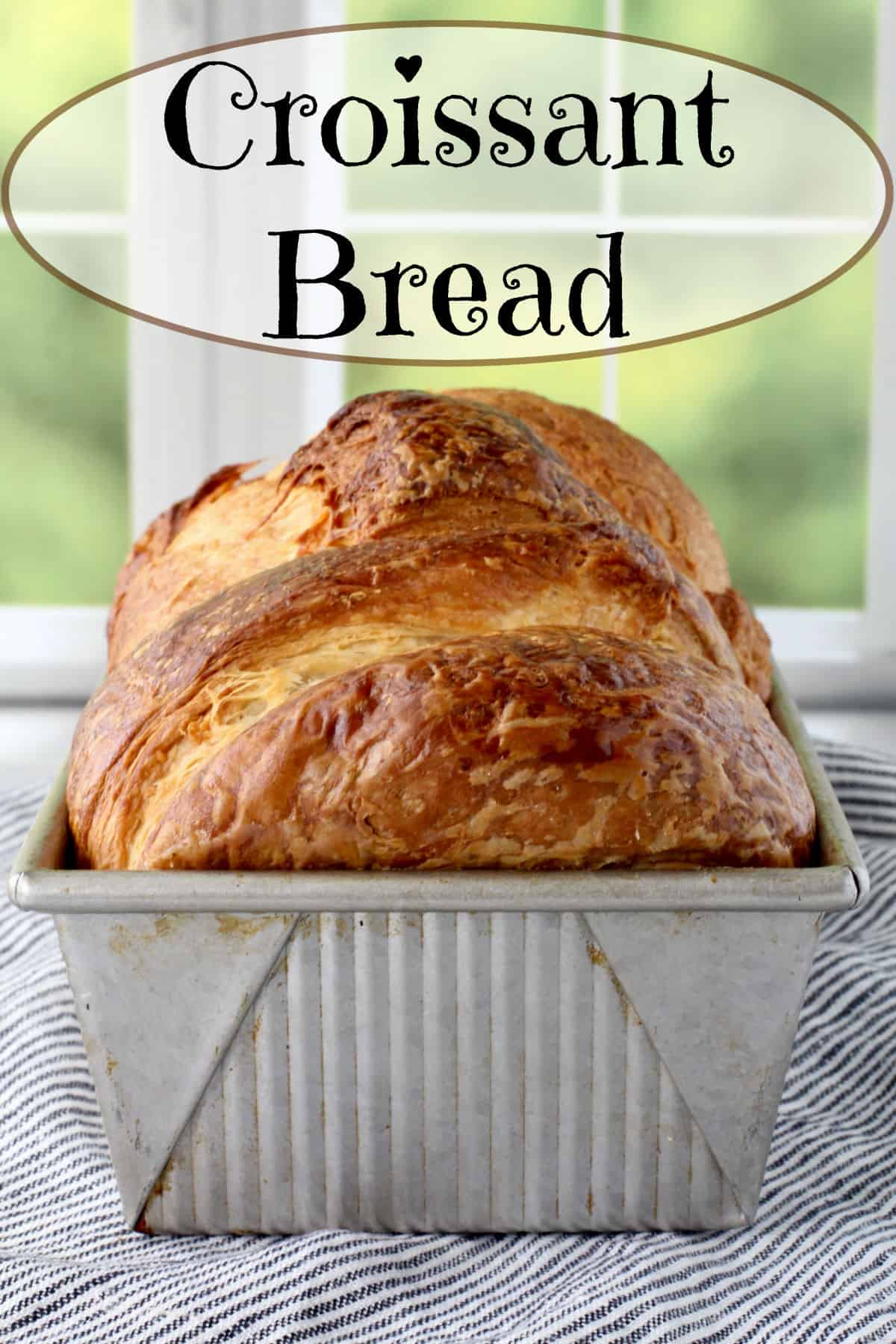
This Pompe Á L'Huile, an olive oil brioche, is a soft and fluffy orange scented bread. It's a traditional Christmas bread from Provence, but it's so good that there's no reason you can't enjoy this any time of year.

This month, the Bread Baking Babes are making an olive oil brioche. Pompe Á L'Huile actually means "oil pump." It got its name from when olive oil producers in Provence would add flour to their oil vats at the end of the season to absorb the last of the olive oil. They then took the oiled flour to the community baker, who would create a version of this bread.
It is also one of the "thirteen desserts" (Les Treize Desserts) for Christmas Eve and Christmas Day. Many of the available recipes call for making two 7 to 9 inch round breads.
One of the traditions for making this bread is to create either 5 or 7 cuts (six is considered bad luck) to make tearing it apart after baking easier. Another superstition is to not use a knife, both when making the cuts and when serving it. I used a dough scraper for making the cuts.

While brioche is usually made with butter, in the south of France, olive oil is more common. What I love about olive oil over butter is that the bread seems to stay fresher and softer longer. Plus, you don't have to wait until it softens.
I have a sourdough version of olive oil brioche that is absolutely fabulous but takes up to three days to make. This bread is yeast-based and takes just a few hours, pretty much one afternoon, to make. The good news is you can enjoy it warm too!

About the Recipe:
Elizabeth of Blog from OUR Kitchen chose this bread for the Bread Baking Babes and selected a recipe from Patricia Wells' At Home in Provence, published in 1996. Elizabeth also developed a sourdough version.
After learning more about this bread I decided to make a few changes. After all, that's what the Bread Baking Babes do!
I learned that this bread is servd as a dessert and, unlike Patricia Wells' version, often has quite a bit of sugar in it. I decided to add more sugar, but not so much that the bread was overly sweet. In fact, this version could easily be used for sandwiches or dinner rolls. Just slightly sweet. Some versions are dusted with powdered sugar, which I skipped. Also, most recipes are for two smaller loaves, one for Christmas Eve and one for Christmas Day. I cut back on the flour and egg and made one slightly larger loaf.
This bread is typically shaped into a "flat-ish" round, with or without a hole in the middle. It's also sometimes shaped like a fougasse. Mine has a hole in the center with five slits and turned out to be pretty puffy from the amazing oven spring.
I loved this bread. In keeping with the "no knives" superstition, I've been tearing pieces off the loaf with my hands and slathering it with butter. So good!

Ingredients in This Pompe Á L'Huile:
Bread Flour - You can also use unbleached all-purpose flour.
Instant Yeast - You can also use active dried yeast. Just dissolve it in the water with a bit of sugar before adding it to the mix. You can add the instant yeast directly into the flour and salt without activating it.
Sugar.
Salt - I used Diamond Crystal kosher salt. You can use half the amount of salt if you are using table salt.
Egg - Size large.

Orange Flour Water - If you use one from a Middle Eastern grocery store, add a tablespoon to the dough. If you use Nielsen-Massey, cut down to 1 teaspoon. It's much stronger.
Zest and juice of an Orange - I use the zest and juice of two tangerines because we had a big bagful.
Water.
Olive Oil - Use a mildly flavored extra virgin olive oil.

To Make This Bread:
First, mix all of the ingredients except the olive oil in the bowl of a stand mixer. The dough will be pretty stiff but resist the urge to add more water.
Once the dough is cohesive, begin slowly adding the olive oil. If the dough seems to be sloshing around, remove it from the bowl and tear it into about 8 pieces and add it back to the bowl, one piece at a time, while the mixer is running. This will help the dough absorb the oil. Once the oil has been absorbed, switch the mixer speed to medium and mix for about 10 minutes.
After that, place the dough in a dough rising bucket, and let it rise until doubled, about 45 minutes to an hour. Shape the dough into a ball and let it rest for 10 minutes. Then, shape the dough by flattening with your hands or a rolling pin and place it in an oiled and parchment lined baking sheet. I used a round pizza pan. For the center hole, press through the center with your finger and stretch the dough. I placed a small metal bowl in the center to make sure the hole didn't close up. A ramekin would work too. Cut either five or seven slashes with a dough scraper. Cover and let rise until puffy, about an hour.

Finally, brush the dough with olive oil and bake the loaf in a 400 degree F oven for about 30 minutes, until it reaches an internal temperature of about 195 to 205 degrees F. Brush the loaf with olive oil and cool it on a wire rack.

Recipe Variations:
You can do the first rise in the refrigerator overnight if you prefer. In the morning, let it come to room temperature if it needs more time to rise and to make it easier to shape.
Along with the orange zest, you can also add a bit of ground anise, about 3 grams, or fennel seeds.
Instead of brushing it with olive oil before baking, you can brush it with an egg wash.
If you'd like a flatter loaf, use a rolling pin to roll it out into a disk. You might need to let it rest a bit to relax the dough.

Bread Baking Babes bake Pompe á L'Huile:
Check out what the rest of the Bread Baking Babes did with this bread!
Blog from OUR Kitchen - Our host kitchen
Judy's Gross Eats
My Kitchen in Half Cups

Pompe Á L'Huile - Provençal Olive Oil Brioche

This Pompe Á L'Huile is a traditional Christmas bread from Provence.
Ingredients
- 500 grams (4 cups plus 2 tablespoons) unbleached bread flour
- 9 grams (2 1/2 teaspoons) instant yeast
- 50 grams (1/4 cup) granulated sugar
- 8 grams (1 tablespoon) Diamond Crystal Kosher salt (or 1 1/2 teaspoons table salt)
- 50 grams (1 large) egg
- 10 grams (1 tablespoon) orange flower water
- Zest of one orange or two tangerines
- 10 grams (1 tablespoon) orange or tangerine juice
- 200 grams water
- 1/4 cup (50 grams) extra virgin olive oil, plus more for brushing
Instructions
- In the bowl of a stand mixer, whisk together the flour, yeast, sugar, and salt. Add the egg, zest, flower water, zest, and juice and stir with a dough whisk. Using the dough hook, mix the ingredients until it becomes cohesive. The dough will be pretty stiff but resist the urge to add more water.
- With the mixer running on medium low, begin slowly adding the olive oil. If the dough seems to be sloshing around and not being absorbed, remove the dough from the bowl and tear it into about 8 pieces and add it back to the bowl, one piece at a time, while the mixer is running. This will help the dough absorb the oil. Once the oil has been absorbed, switch the mixer speed to medium and mix for about 10 minutes.
- Place the dough in an olive oil coated dough rising bucket, cover with plastic wrap or a damp towel, and let it rise in a warm spot in your kitchen until doubled, about 45 minutes to an hour.
- Shape the dough into a ball and let it rest on the counter for 10 minutes, loosely covered.
- Shape the dough by flattening with your hands or a rolling pin and place it in a parchment lined and oiled baking sheet.
- With your fingers, press through the center of the round and stretch the dough to create about a three inch hole. Place a small metal or oven safe ceramic or porcelain bowl or measuring cup in the center to make sure the hole doesn't close up. Cut either five or seven slashes with a dough scraper. Cover and let rise until puffy, about an hour.
- Heat the oven to 425 degrees F with a rack in the center.
- When ready to bake, brush the dough with olive oil. Place the pan in the ovena dn immediately reduce the heat to 400 degree F. Bake the loaf for 30 to 35 minutes, until it reaches an internal temperature of about 195 to 205 degrees F. Brush the loaf with olive oil and cool it on a wire rack.
- Once cooled, remove the metal cup from the center.
Nutrition Facts
Calories
162Fat (grams)
4 gSat. Fat (grams)
1 gCarbs (grams)
26 gFiber (grams)
1 gNet carbs
25 gSugar (grams)
3 gProtein (grams)
4 gCholesterol (grams)
12 mg